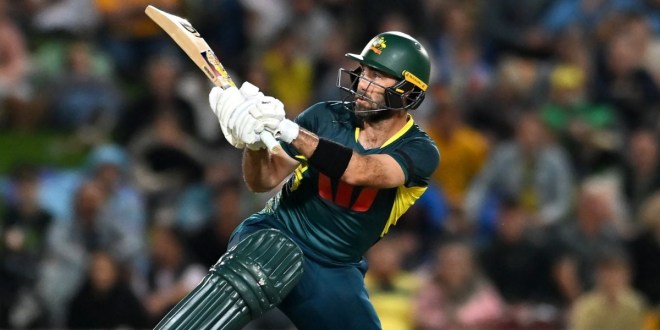
Eight years after the 2018 Cape Town ball-tampering scandal, retired Australian opener Usman Khawaja is using his autobiography Sabr to challenge the official version of events. In interviews ahead of the book’s launch, Khawaja says the entire Australian touring party (not just the three players who were banned) knew about the plan to use sandpaper on the ball.
According to Khawaja:
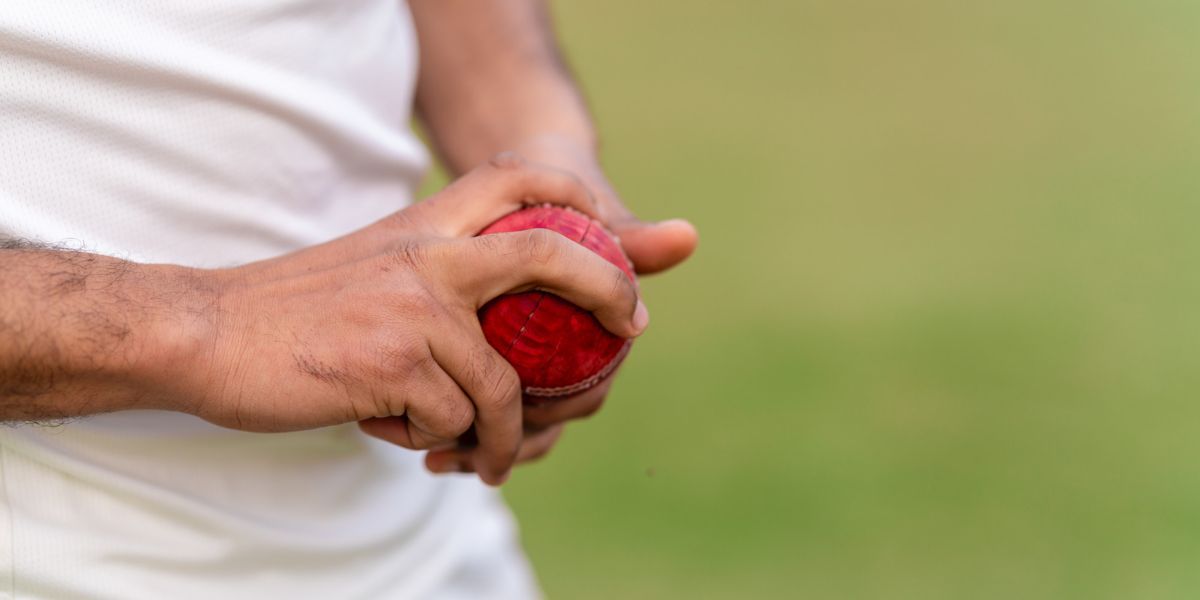
Discussions about roughing up the ball began in the dressing room during the second Test at Port Elizabeth (now Gqeberha). Sandpaper proved effective, and Cameron Bancroft volunteered to use it. The ball then swung lavishly.
At that point, then-captain Steve Smith reportedly walked away from the conversation, saying he “didn’t want to know.”
The practice continued into the third Test in Cape Town, where television cameras caught Bancroft using sandpaper. A member of the coaching staff is alleged to have encouraged Bancroft to escalate what he was doing.
“It was all of us. Not the batters, not the bowlers, not the staff. All of us,” Khawaja said. He claims he urged the team after the Cape Town Test to take collective responsibility, but the blame fell solely on Smith, David Warner, and Bancroft.
Smith and Warner received 12-month bans; Bancroft got nine months. Cricket Australia’s investigation concluded only those three had known in advance. The frontline bowlers from the match, Pat Cummins, Mitchell Starc, Josh Hazlewood, and Nathan Lyon, issued a 2021 statement refuting knowledge of any plan. Khawaja’s account directly challenges those denials, and Australian media has described it as creating a “nightmare” situation for current captain Cummins.
Khawaja says he made contemporaneous notes during the tour, but Cricket Australia’s investigators never interviewed him. He has also claimed he was overlooked for interim captaincy after the series because “Australia wasn’t ready for a brown captain.”
Khawaja has defended the timing. He says he wanted the team to accept collective responsibility from the start and that Steve Smith talked him out of going public earlier. He said he promised childhood friend David Warner he’d tell the truth after retirement. In Instagram videos clarifying his comments, Khawaja insisted: “I haven’t thrown anyone under the bus… These three guys took the blame for all of us, and they’re the victims.” He said he would “not deny” that everyone knew, while making clear he does not speak for others in the book.
Former coach Darren Lehmann has rejected the claim of widespread knowledge, telling the ABC he did not think everyone knew, admitting that ball-tampering methods were once common in the game. Cricket Australia has said it remains comfortable with its original findings.
Beyond the international scandal, Khawaja has also lifted the lid on ball-tampering practices in domestic Sheffield Shield cricket. A CODE Sports exclusive reported that he described the “dark arts” of ball management across state sides and named one state as particularly adept (“genius”) at it. Separate reports linked to the book or related comments have referenced specific methods used in Shield games, including claims involving a player applying super glue to the ball. These domestic revelations sit alongside his overarching point that various forms of ball “management” (lollies for saliva, throwing the ball into the pitch, etc.) were widespread in Australian cricket for years and that the 2018 sandpaper incident was an escalation in a competitive setting where South Africa was seen as especially skilled at reverse swing.
The book is sparking major debate about accountability, leadership, and the culture of “ball management” in cricket. Cricket Australia has continuously denied all players and staff knew about the South African ball tampering.